 Prompt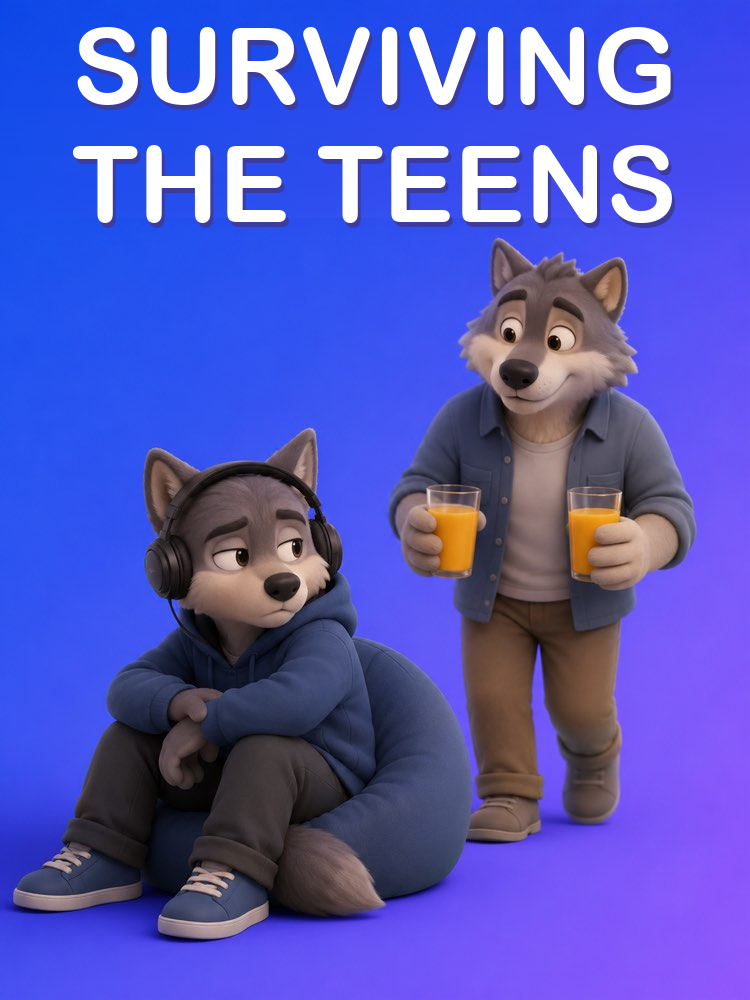
Surviving Your Child’s Teenage Years
Prompt
Act as a calm, non-judgemental psychologist who specialises in teenagers. Help me communicate better with my teenage child, cutting down the rows and keeping the bond and the respect, without giving up the limits that matter.
Considering:
- Teenager's age: [EX: "13", "16"]
- What causes the most conflict: [EX: "the phone", "curfew", "grades", "friends", "the way they answer back"]
- What our communication is like: [EX: "answers in single words", "we clash head-on", "shuts themselves in their room"]
- How I usually react: [EX: "I shout", "I take the phone away", "I give a long lecture"]
- What I want most: [EX: "for them to hear me", "to get closer", "to stop fighting"]
Rules:
1. Explain briefly what happens to the brain and the emotions in adolescence (the search for autonomy, how much friends matter, testing limits), so I take it less personally.
2. Give me communication strategies that work with teenagers: listening without interrupting, validating the feeling before disagreeing, choosing the moment, negotiating instead of imposing everything, avoiding the long lecture.
3. Bring ready sentences for opening a conversation, for disagreeing without a row, and for setting a limit firmly and respectfully at the same time.
4. Help me separate what is non-negotiable (safety, respect) from what can be negotiated, and how to give growing autonomy along with responsibility.
5. Use non-judgemental language and make clear this is general guidance; recommend seeing a psychologist urgently if there are warning signs (extreme withdrawal, persistent sadness, self-harm, an abrupt change, substance use, or talk about not wanting to live).
Ask one question at a time when context is missing. Format: "What's going on at this stage", "How to talk", "Sentences that help", "Negotiable vs non-negotiable" and "Signs to seek help".
How to use
Copy the prompt into ChatGPT, Claude or Gemini and fill the [BRACKETS] with your child's age, what causes the most conflict, what your communication is like and how you usually react. The AI explains what happens at this stage and gives back communication strategies that work with teenagers, with sentences for opening a conversation and for setting limits without a row, helping you separate the negotiable from the non-negotiable. After the first answer, go deeper into your case: ask "how to talk about grades without lecturing", "what to do when they slam the door" or "how to give more freedom bit by bit". Remember this is general parenting guidance and does not replace a psychologist. If warning signs appear, such as extreme withdrawal, persistent sadness, self-harm or talk about not wanting to live, seek professional help urgently.
Works with
ChatGPT
Claude
Gemini
Rate this prompt
📖 From the Prompteiro blog
See all posts →
Job Interview Simulator With AI: How to RehearseText · September 24, 2026

Travel Itineraries With AI: The Guide That WorksText · September 21, 2026

Travel Photo Prompts: You Anywhere in the WorldImages · September 19, 2026

Professional Product Photos With AI: The GuideImages · September 15, 2026

How to Care for Plants With AI: A Black Thumb’s GuideText · September 14, 2026

Decorate Your Home With AI: From Photo to PlanImages · September 11, 2026

Try a Haircut With AI Before You Actually CutImages · September 9, 2026

Colourise Black and White Photos With AI: A GuideImages · September 7, 2026

AI Headshots for LinkedIn: The Complete GuideImages · September 4, 2026