 Prompt
Cooking With What You Have: The Method

It is seven in the evening, the fridge has been open for two minutes, and the inventory is this: half a packet of pasta, three eggs, a piece of cheese that has seen better days, one tomato and half an onion. Nobody wants to order in again, and the question that stalls everything is always the same: what can I actually make with this?
This is one of the questions AI answers best, and almost everyone still asks it wrong. The next 8 minutes: the right way to list what exists, what to ask when an item is missing, and how to settle the whole week in one twenty minute sitting.
The golden rule: inventory, not wish
Keep this sentence before any recipe: asking for an easy recipe returns everybody’s recipe. It will ask for cream, and you do not have cream. The useful question is the opposite one, and it starts at your shelf, not at the dish.
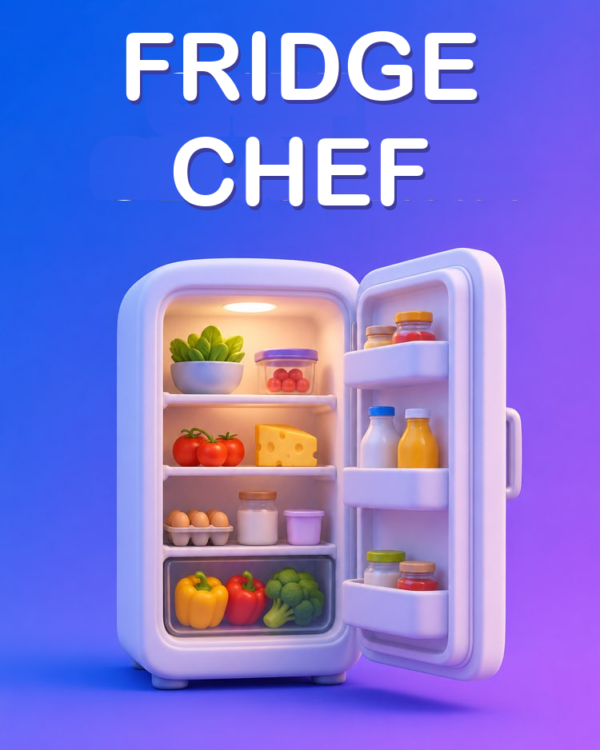
That is why the request that works is the list of what exists, and it is exactly what Chef of What Is in Your Fridge does: you dump the inventory, odd leftovers included, and get back options that fit that list, each with its cooking time.
What the AI needs to know before it suggests
Five pieces of information change the quality of the answer completely:
- Everything there is, including the ugly bits. Half a limp carrot and yesterday’s rice go on the list, because that is where the good idea comes from.
- How much time you have. Twenty minutes and an hour and a half lead to different recipes from the first line.
- What you do not have. Say there is no oven, mixer or blender, and half the impossible suggestions disappear.
- Who is eating. A child, someone lactose intolerant and you alone at eleven at night need three different answers.
- What has to be used today. Point out what is about to turn, and the recipe starts solving two problems.
One request is missing that almost nobody makes and that saves dinner: ask for three options ordered by time, not one. A single recipe forces you to accept or start over, and three let you choose by how tired you are.
Why improvised food looks sad
There is a curious difference between the same dish made on two different days. The ingredients are the same, the seasoning is the same, and still one looks like dinner and the other looks like reheated leftovers.
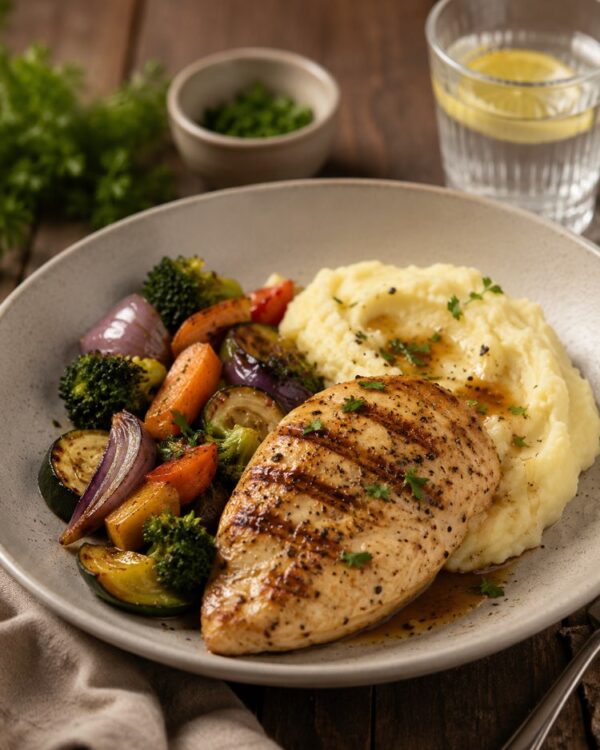
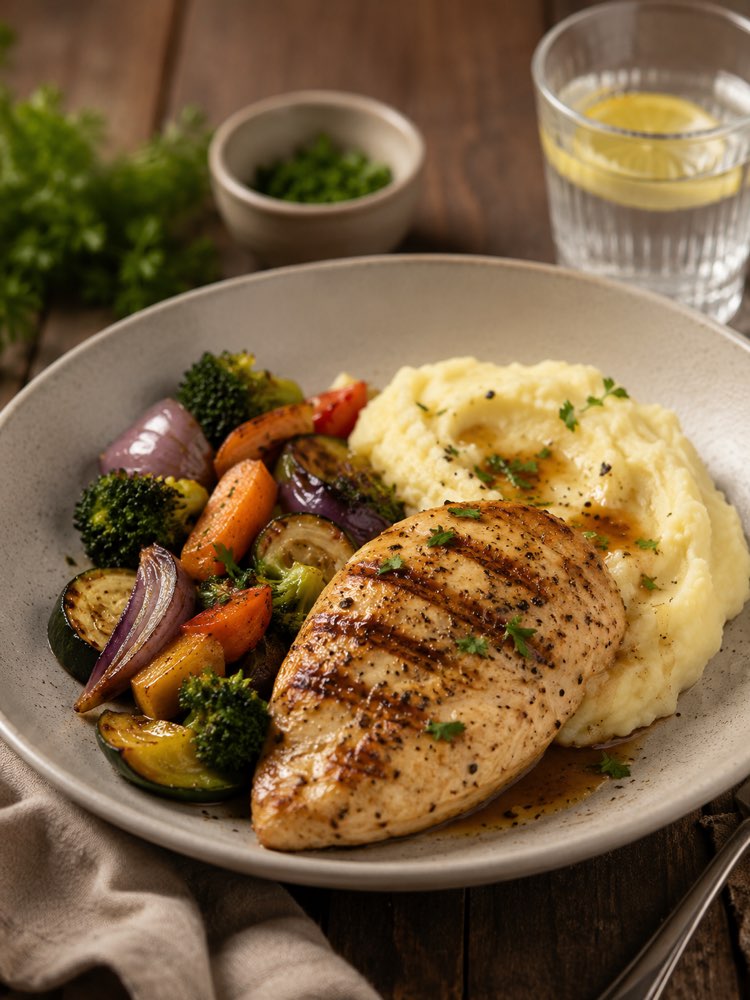
The difference is almost always the plating. Improvised food goes straight from the pan to a deep bowl, all mixed together, and the eyes decide before the mouth does. Separating the three elements on the plate, leaving empty space and throwing something green on top changes the perception more than any extra ingredient.
It is a visual problem, so the solution is visual too: it helps to have a plating reference in front of you before serving.
Editorial-Quality Food Photo with AI is exactly that, even if you never publish anything: generate the dish you have just made and look at where the protein, the side and the sauce sit. You copy the arrangement in thirty seconds, and the same dinner changes category.
When an ingredient is missing
Half the recipes stall on a single line, and that line almost always has a substitute.
Ingredient Substitutions When You Are Stuck handles the moment when the recipe has already started and the item is not there, and its advantage is that it says what changes in the result, not just what to put in instead. Swapping butter for oil works, but the cake comes out different, and it is good to know beforehand.
At the other end is the fridge with only one thing in it: What to Cook with One Ingredient using AI is for the lone courgette, the kilo of chicken bought on offer or the tin of chickpeas, and it returns different directions instead of a single recipe.
Tuesday night, and the end of the month
Two scenarios repeat in every household, and each asks something different of the AI.
On a Tuesday night the criterion is time: Dinner Ready in 30 Minutes with AI assumes you came home tired and limits the number of pans, and Crispy Air Fryer Recipes with AI solves the same hurry with one appliance and no mess.
One small detail carries a large effect: Homemade Sauces, Seasonings and Marinades, with AI is what separates rice and chicken from an actual dinner, and it almost always uses what is already in the cupboard.
At the end of the month the criterion becomes price, and the arithmetic changes: Budget Recipes for the End of the Month with AI starts from what costs little and goes far, and Use Every Part of Your Food with AI goes after what usually ends up in the bin, like stalks, peels and yesterday’s bread.
And there is the part nobody wants to cut: A Quick Dessert with Few Ingredients, with AI usually comes out of three things already in your house, and it is what keeps a tight week from feeling like a punishment.
When you cook to sell
A large share of the people improvising in the kitchen also sell something: lunch boxes, cakes to order, weekend snacks.
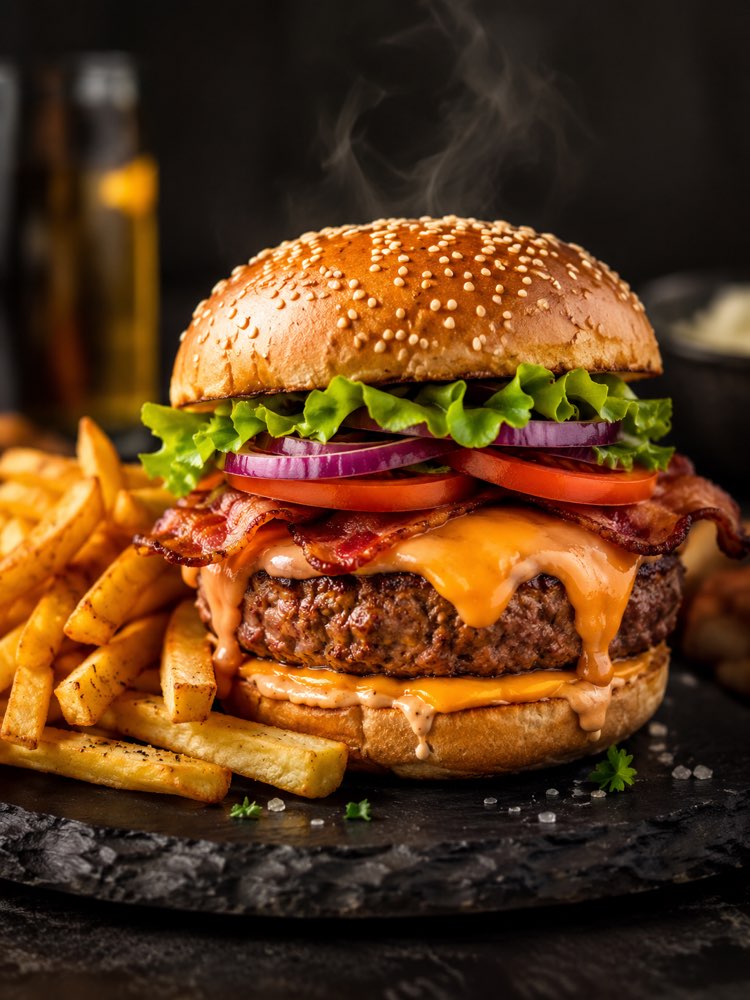
Here the arithmetic changes, because the photo starts to be worth money. Buyers choose by the image, and most home photos are taken over the sink, in yellow light, with the pan in the corner of the frame, which drags down the price you can ask.
Professional Dish Photo for a Menu and Delivery Apps solves the menu image without a photo shoot, and the important point is honesty: use it as a reference for your real dish, not to sell something you do not deliver.
The whole week, in one go
Improvising every day is more tiring than cooking, because the deciding costs more than the pan.
Weekly Meal Prep Made Easy with AI settles five lunches in one Sunday afternoon, and Weekly Meal Plan with Shopping List goes the other way round, building the menu and sending you out with the list already made, without buying what is already at home.
Which request first, by situation
Choosing the wrong request is how the answer comes back pretty and useless:
| Your situation | Ask for | The common mistake |
|---|---|---|
| Dinner within the hour | three options by time, from what exists | asking for an easy recipe without saying what you have |
| An ingredient is missing | a substitute and what it changes | swapping in anything and hoping |
| Only one thing left | different directions for the same item | searching for a recipe by the item’s name |
| A tight week | a meal plan with a shopping list | deciding dinner at seven in the evening |
| It turns tomorrow | a recipe that uses it up today | freezing it with no plan and forgetting |
What the AI gets wrong in the kitchen
This section prevents the lost dinner, and it is the part recipe apps do not tell you.
The most common error is quantity. The AI gets the method right and guesses the proportion, so treat the measurement as a suggestion and taste halfway through. With pasta, salt and liquid, overdoing it has no way back.
The second is oven and pan timing, which depends on your equipment and not on its model of one. A fifteen-hundred-watt air fryer and an old home oven are not the same thing, and it is worth trusting the doneness you see rather than the number it wrote.
The third is serious and deserves its own paragraph: it does not know what has gone off. Smell, colour and texture are your call, and no recipe rescues an ingredient that is already past it. Home preserves, raw egg in a cold dish and meat kept for days are matters of judgement, not of prompting.
Finally, it does not know your palate or your region. It will suggest a seasoning nobody uses in your city and an ingredient name that changes from place to place, and the fix is simple: say the name you use and ask again.
The order that works
Twenty minutes in one sitting settle the week:
- Open the fridge and list everything before asking. Leftovers and the things at the back included.
- Say the time you have and what the kitchen lacks. No oven, no blender, in a hurry. That is what cuts the impossible suggestions.
- Ask for three options, not one. You choose by tiredness, not by whichever appeared first.
- Taste before trusting the measurement. The method is usually right, the proportion not always.
- Save the one that worked. Three recipes of your own are worth more than three hundred from the internet.
Quick questions
Can I send a photo of the fridge?
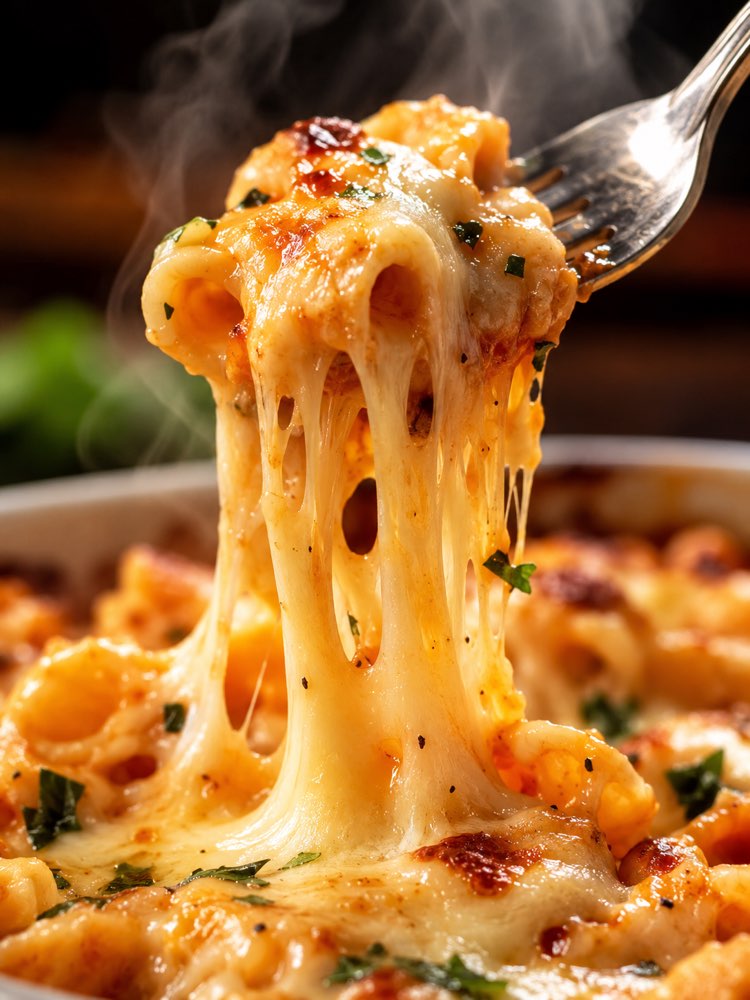
You can, and it works better than you would think, as long as the photo shows the shelves with things visible. Check the list it returns before accepting it, because it misreads labels and confuses identical tubs. And if you later want to show the result, Irresistible Macro Food Photo for Reels handles the picture of the finished dish.
Are the quantities reliable?
The method yes, the measurement not always. Treat it as a starting point, taste halfway and adjust salt and liquid last, since those are the two errors with no way back.
Does it work for a diet or a food restriction?
It works for organising the options, but it does not replace guidance from whoever looks after you. With allergies, a serious restriction or a health condition, check every ingredient, because the AI sometimes forgets one in the adapted version.
How do I stop it inventing strange recipes?
Ask for familiar dishes made from what you have, and say explicitly that you do not want unusual combinations. Without that, it tends to create something original when what you wanted was dinner.
Is it any good for cooking with a child?
Very much so, and the request changes: ask for few steps, no knife and no high heat, and let the child choose between two options. Their choice is half the chance they will eat it.
Where to start today
Open the fridge, write everything in it on a single line, and say how much time you have. That twenty-word sentence settles tonight’s dinner better than any recipe search.
After that, the text prompts hub has the recipes cited here, the image prompts hub has the photo half, the cooking and recipes hub has the rest of the kitchen, and the lesson on writing a prompt teaches the precision the kitchen demands.