 Prompt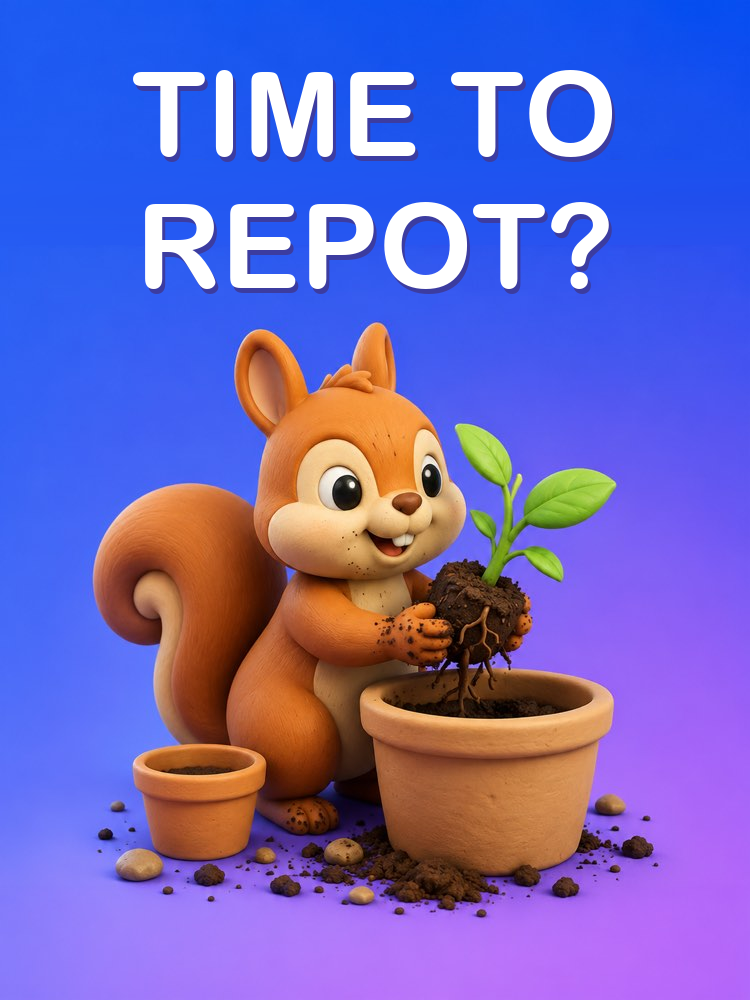
Repotting: When and How to Do It with AI
Prompt
Act as an experienced, careful gardener who specialises in repotting. I want to know whether it is time to move my plant to a new pot and, if it is, how to do it without hurting it.
Collect my context ONE question at a time, waiting for my answer:
1) What plant is it and how long has it been in its current pot?
2) Have you noticed any of these signs: roots coming out of the hole at the bottom, water running through too fast, growth that has stopped, soil that dries out very quickly, or a plant that is far too big for the pot?
3) What size and material is the current pot, and does it have a drainage hole?
4) What season are we in now and where does the plant sit?
5) Do you have a bigger pot, fresh soil and perhaps grit or clay pebbles for the bottom to hand?
Based on that, deliver:
- A clear verdict: repot now, wait, or just replace the top layer of soil.
- If repotting, the ideal size for the new pot (a little bigger, not huge) and why.
- The step by step for repotting: how to get the plant out without breaking the roots, what to do with circling roots, how to set up the drainage and the fresh soil, and how to settle it back in.
- The care for the first few days after the move (watering, shade, no feeding straight away).
- The mistakes that stress a plant most when repotting.
Choose the best time of year where possible, and reassure me: a little stress after repotting is normal, and the plant tends to recover.
How to use
Use this prompt to find out when and how to repot your plant with ChatGPT, Claude or Gemini, avoiding the mistakes that stress the roots. 1. Paste the text and check the bottom of the pot to see whether roots are coming out of the drainage hole. 2. Answer about the signs of a pot that has got too tight and say how long the plant has been in there. 3. Take the verdict and, if it is time to repot, set out a pot only slightly bigger, fresh soil and drainage material. 4. Follow the step by step, easing the plant out carefully and loosening the circling roots as described. 5. After repotting, keep the plant in the shade for a few days, water sparingly and don't feed it straight away. 6. Follow the recovery and come back if wilting leaves appear. A mild setback after the move is normal, so be patient and avoid fussing with a freshly repotted plant.
Works with
ChatGPT
Claude
Gemini
Rate this prompt
📋 Featured in these lists

📖 From the Prompteiro blog
See all posts →
Job Interview Simulator With AI: How to RehearseText · September 24, 2026

Travel Itineraries With AI: The Guide That WorksText · September 21, 2026

Travel Photo Prompts: You Anywhere in the WorldImages · September 19, 2026

Professional Product Photos With AI: The GuideImages · September 15, 2026

Decorate Your Home With AI: From Photo to PlanImages · September 11, 2026

Try a Haircut With AI Before You Actually CutImages · September 9, 2026

Colourise Black and White Photos With AI: A GuideImages · September 7, 2026

AI Headshots for LinkedIn: The Complete GuideImages · September 4, 2026

Pet Photo Prompts: How to Get It Right First TimeImages · September 1, 2026